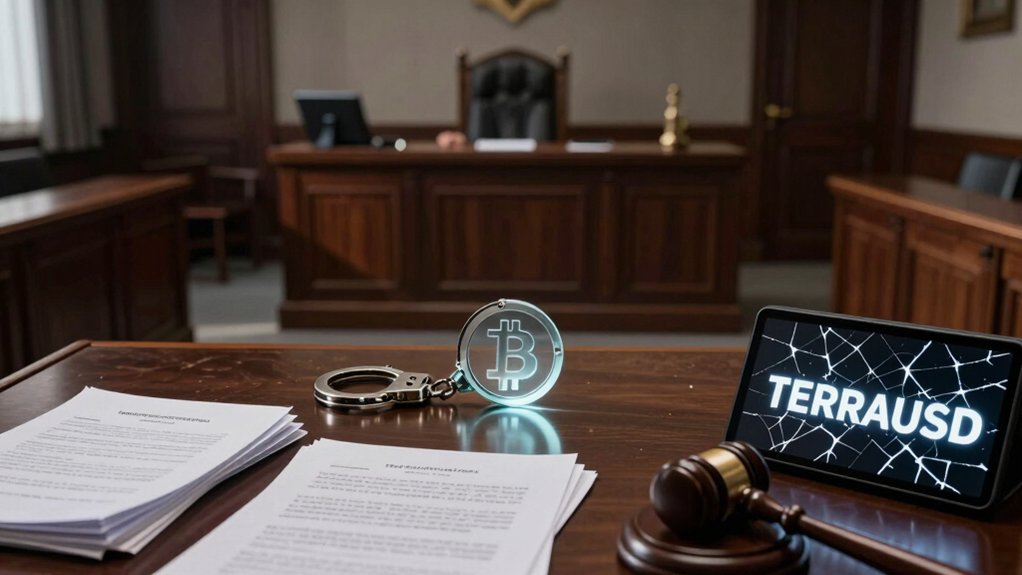

How significant is the sentencing of Do Kwon in the evolving regulatory landscape of cryptocurrency? On December 11, 2025, Do Kwon, co-founder and former CEO of Terraform Labs, was sentenced to 15 years in a U.S. federal prison by Judge Paul Engelmaier of the Southern District of New York. This verdict follows his guilty plea in August for conspiracy to commit fraud and wire fraud, marking a landmark moment for regulatory enforcement in the crypto sector. Alongside incarceration, Kwon faces a lifetime ban from cryptocurrency trading and an $80 million civil penalty, underscoring the judiciary’s stern approach toward accountability. The case highlights how regulatory bodies are increasingly scrutinizing cryptocurrencies under anti-money laundering mandates that erode user privacy in the name of safety.
Do Kwon’s 15-year sentence marks a pivotal crackdown on crypto fraud and regulatory enforcement.
Kwon’s conviction centers primarily on the TerraUSD (UST) stablecoin and its paired cryptocurrency, Luna, products that once commanded significant market attention before their catastrophic failure. TerraUSD was designed as an algorithmic stablecoin pegged to the US dollar, using Luna as a balancing mechanism to maintain value stability. However, from 2021 onward, this algorithmic peg faltered, culminating in a dramatic collapse in 2022 that erased approximately $40 billion from investors’ holdings almost instantaneously. The crash devastated countless retail investors and institutional participants, many of whom lost their life savings. Such failures fuel regulatory debates over whether cryptocurrencies should be classified as currency or asset, which directly affects projects like Terra and Kaspa.
The fraud allegations reveal a systemic pattern of misrepresentation, as Kwon reportedly disseminated false information to investors regarding the mechanisms intended to preserve UST’s peg. Central to the prosecution’s case was evidence that Terraform Labs covertly arranged for a trading firm to purchase millions of tokens, artificially preventing the price from collapsing. This deceptive practice misled investors about the project’s sustainability and recovery prospects; Judge Engelmaier described the fraud as an “epic generational scale,” reflecting the unprecedented scope and impact. The indictment includes nine charges, such as money laundering, exposing Kwon to a potential maximum sentence of up to 130 years. The case underscores the challenges regulators face with innovative financial products, which often encounter heightened scrutiny and complex compliance demands worldwide.
Court proceedings also highlighted the human cost of the collapse, with victim statements detailing profound financial distress. Kwon’s apology acknowledged deliberate falsehoods and investor deception, yet he faces ongoing legal challenges beyond the United States, notably in South Korea. This sentencing marks a critical precedent in cryptocurrency regulation, signaling intensified oversight and enforcement as authorities grapple with the inherent risks of decentralized finance and algorithmic stablecoins. The case exemplifies the judiciary’s readiness to impose severe penalties for fraud in the rapidly evolving digital asset ecosystem.